
Heavy metal fandom has long been the target of myths – some negative, some just misunderstandings. People often assume that metal listeners are angry, antisocial, depressed, or somehow “damaged.” But recent psychological, sociological, and neuroscience research paints a very different, more nuanced picture. Let’s look at some of the biggest myths and what studies actually say.
Myth 1: “Metal makes you angry, violent or aggressive”
What people believe
That listening to metal causes rage, aggression, maybe even criminal behavior.
What the research says
A study titled Extreme Metal Music and Anger Processing (2015) asked metal listeners to undergo an anger-inducing task, then either listen to extreme metal or sit in silence. While anger, stress, irritability rose during the induction (expected), after listening to metal these negative feelings decreased. Also, listeners reported increases in active/inspirational emotions, which were not seen in the silence control group. Study: PubMed
Another review (“Psychosocial risks and benefits of exposure to heavy metal music …”, 2022) found correlational evidence (not causation) between listening to metal and some risk factors (delinquency, disrespect for social norms etc.), but emphasized that there is no conclusive evidence that metal causes those behaviours. Individual differences (personality, social context) moderate almost all effects. Study: SpringerLink

Conclusion
Listening to metal doesn’t reliably lead to anger-driven behavior. If anything, for many fans it provides a way to process anger and negative emotions in a safer, regulated setting.
Myth 2: “Metalheads lack empathy or are emotionally cold”
What people believe
That fans of heavy or “violent” music are less sensitive, less caring, perhaps desensitized to others’ suffering.
What the research says
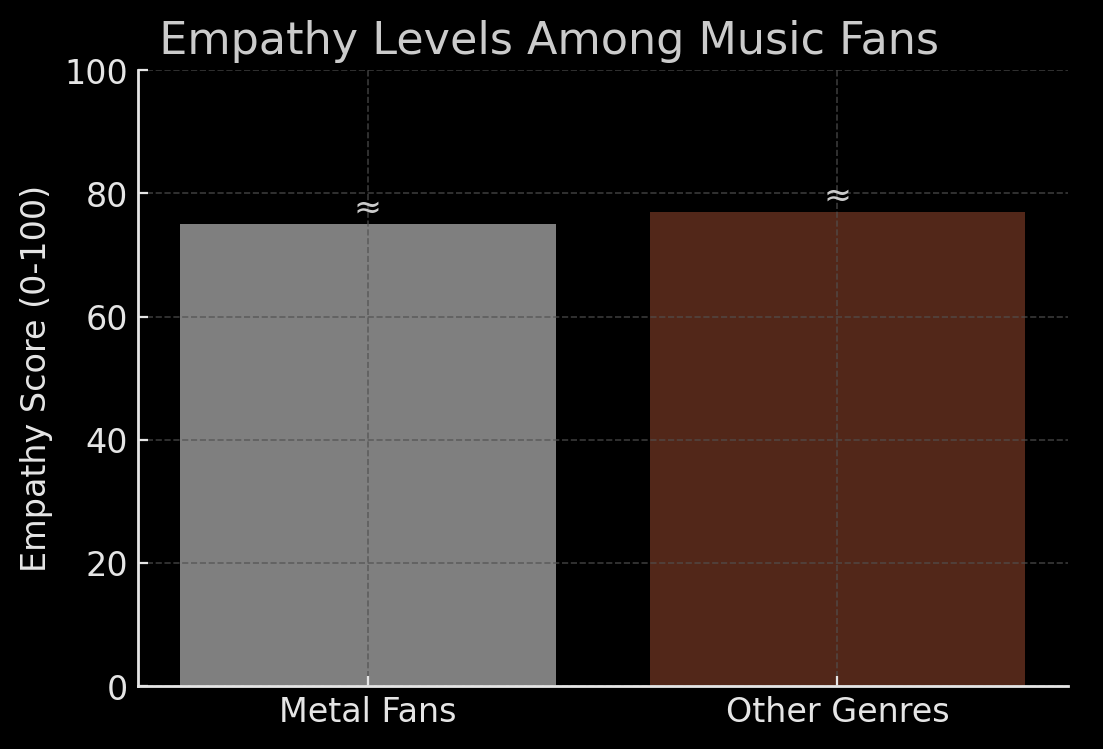
In An investigation of empathy in male and female fans of aggressive music (2019), fans of heavy/death metal and fans of classical or jazz were shown vignettes with varying degrees of aggression. The study found that metal fans did not show reduced empathic reactions compared to fans of non-aggressive music. Study: OUCI
Another study on “Who enjoys listening to violent music and why?” compared death metal fans and non-fans on the Big Five personality traits + empathy measures. They found that while death metal fans scored lower on agreeableness and conscientiousness in small but statistically significant ways, they did not differ significantly in empathy (multiple components). Study: Scientific American
Conclusion
The stereotype that metal fans are cold or lacking empathy is not supported. Emotional sensitivity seems preserved; what varies more are traits like openness or preference for unconventional / intense stimuli.
Myth 3: “Metal fans are more depressed, anxious, or have worse mental health”
What people believe
That listening to metal causes or worsens depression, anxiety, or other psychological problems.
What the research says
A study in France surveyed 333 metal fans using the Hospital Anxiety and Depression Scale. While some fans did report symptoms, the study did not establish higher rates of mental illness simply due to their music preference. Also, participation in metal culture, motivations for listening etc., play a large role in how people relate to their mental health. Study: PubMed
The narrative review in Psychosocial risks and benefits… again cautions that metal is sometimes correlated with mood disturbances, but again, no strong evidence for causation. Study: SpringerLink
A study “Heavy metal’s bad rep is unfair – it can actually have numerous health benefits for fans” describes findings that metal fans often have higher levels of emotional resilience; that extreme music can help people work through negative feelings rather than worsening them. Study: The Conversation
Conclusion
Metal fans are not automatically worse off mentally; many use metal in therapeutic, emotionally constructive ways. The presence of mental health issues among some fans does not mean the genre causes them.
Myth 4: “Metal is just noise / chaos / lacks complexity”
What people believe
That metal is loud, simplistic, chaotic, without subtlety, melody, or depth.
What the research says
Studies on musical complexity show that fans of intense genres (metal, etc.) tend to prefer and process more complex, unconventional, intense sound structures. This suggests that the appreciation of metal involves engaging with complexity rather than being overwhelmed by noise. Study: SAGE Journals
In the “Who enjoys listening to violent music…” study, fans reported varied emotional responses (fear, wonder, power, joy) when listening to death metal. Some non-fans may focus only on loudness or harsh timbre, unable to see subtler structure. Study: Scientific American
Conclusion
Far from being mere noise, metal often features complex arrangements, nuanced dynamics, and emotional depth. Many fans are drawn in by those features.
What people believe
That metal fans are loners, socially estranged, maybe standoffish or rejecting societal norms to an extreme.
What the research says
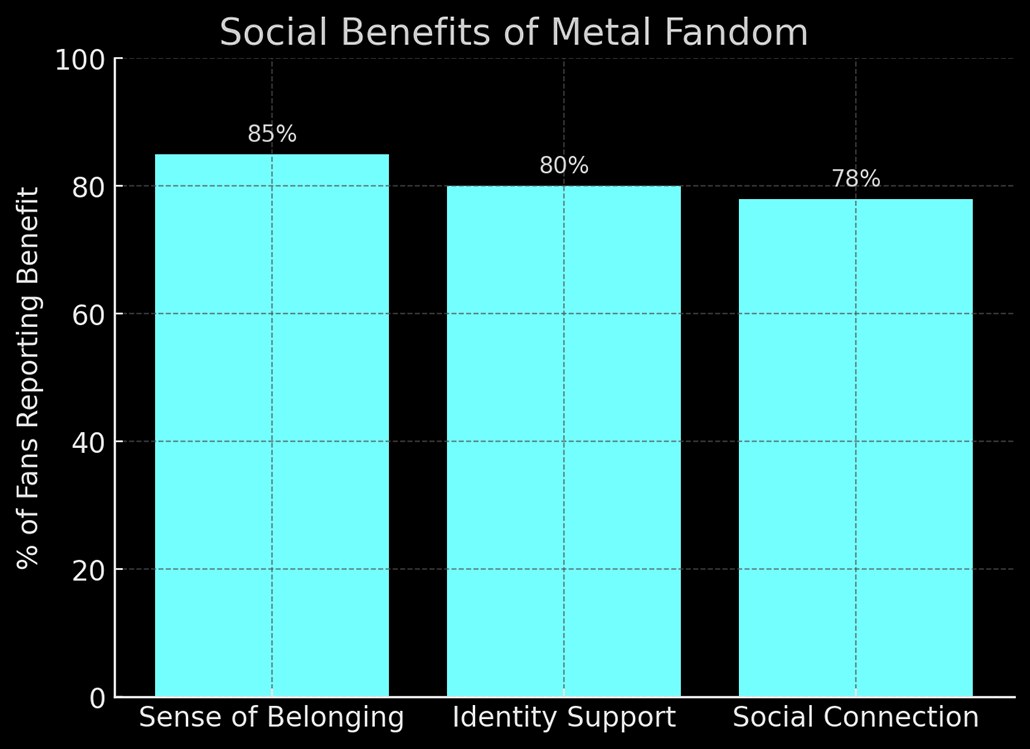
Several studies highlight community as a strong part of metal culture: fans often derive identity and a sense of belonging from concerts, festivals, online forums, etc. The metal “scene” tends to be inclusive (among those who participate), with strong peer support. Study: Inspira Health Network
Also, many uses of metal are tied to social participation and identity, not isolation: for example, respondents in the University of South Australia study (for people aged 18-24) used metal to sustain their identities and found acceptance among the metal community. Study: Digital Music News
Conclusion
Rather than being antisocial, many metal fans are deeply social—community is a major component of the experience.
Why These Myths Persist
- Stereotypes & Moral Panic: Over decades, metal (and other “aggressive” music genres) has been linked in media to violence, Satanism, etc., fueling broadly held, simplistic beliefs.
- Confirmation bias: People notice rare extreme cases (mosh pit injuries, aggressive lyrics) and generalize.
- Cultural misunderstanding: Loudness, aggression in tone/lyric doesn’t always translate to real-world aggression. Without familiarity, people tend to interpret what they don’t understand as threatening.
Implications & What the Science Suggests
- Metal can be used constructively: for emotional regulation, catharsis, identity formation.
- The effects depend heavily on why someone listens (motivation), who they are (personality traits), and the context (social, cultural, emotional).
- Blanket judgments (“metal fans are all this or all that”) are unhelpful and frequently misleading.
Possible Criticisms / Gaps
- Many studies are still correlational: “metal fan” status correlates with some traits, but causation is tricky to establish.
- Sampling bias: many studies recruit people who self-identify as fans, possibly those more involved, which may not represent casual listeners.
- Cultural variation: studies are often done in Western countries; metal culture in other regions may differ.
Take-Home Messages
- Metal is not inherently harmful; listening to it doesn’t make you a worse or more dangerous person.
- For many fans, metal offers positive outcomes: stress relief, emotional expression, community, identity.
- The more we understand motivation, context, and individual differences, the clearer the picture gets.
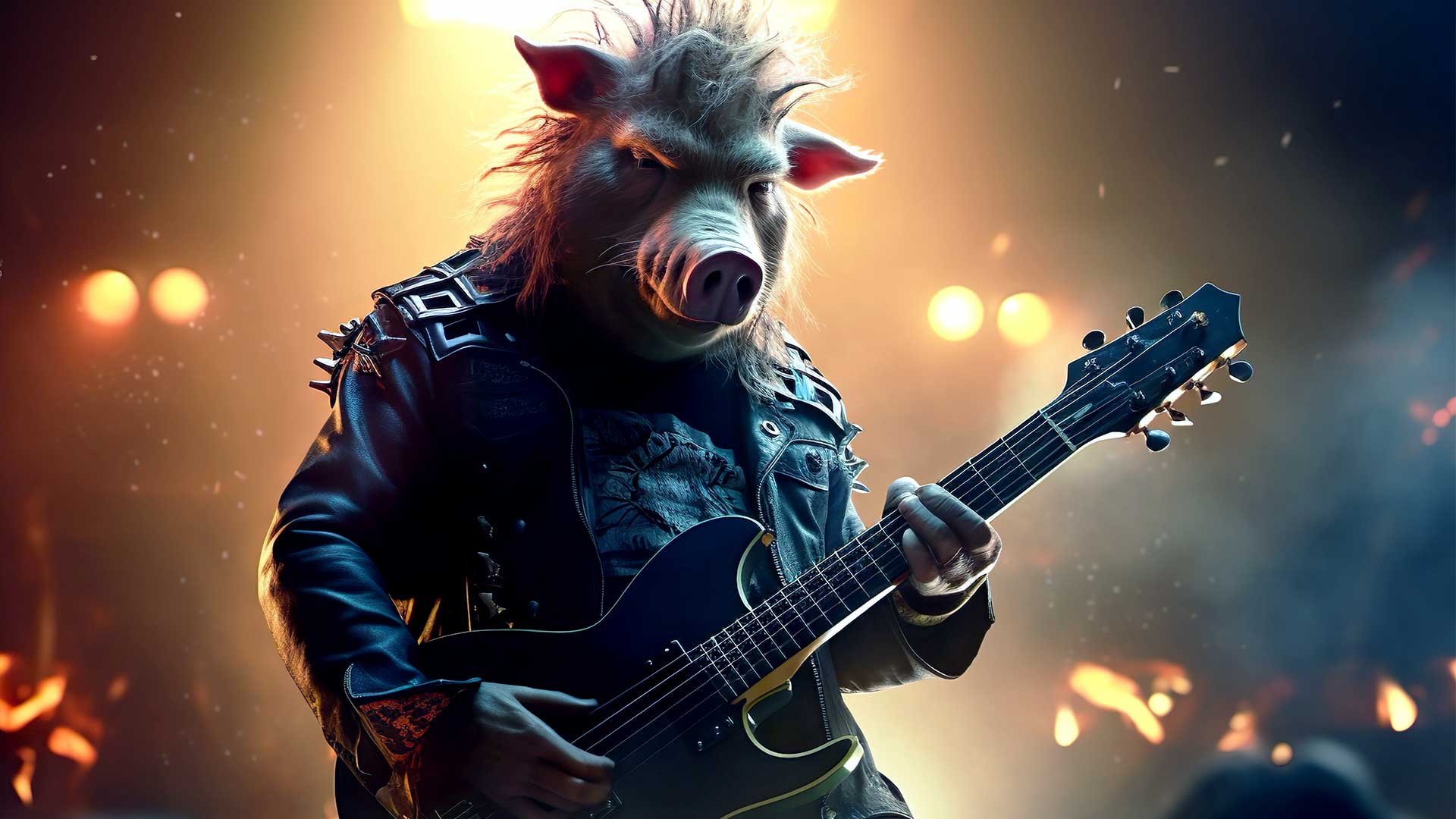
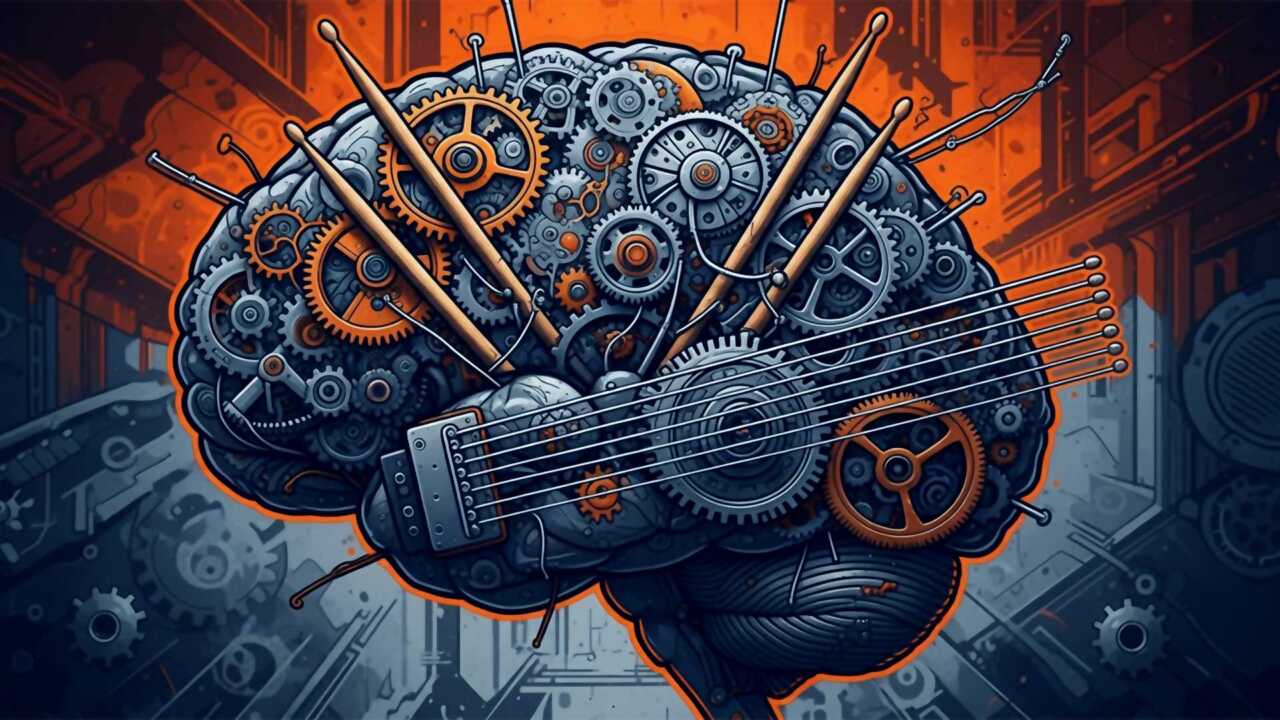
Post image AI generated by Willi-van-de-Winkel from Pixabay





Add comment